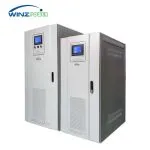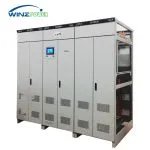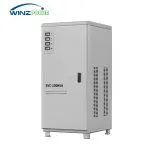

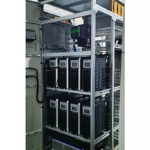
TSC Dynamic Reactive Power Compensation System
Fast, step-based power factor correction with standard 7% or 14% detuned reactors for harmonic amplification suppression, resonance risk reduction, and reliable capacitor operation.
Switching Device:Thyristor switching module
Reactor Configuration:Standard series detuned reactors
Reactor Ratio:7% or 14%, selected according to harmonic conditions
Compensation Capacity:Customized according to reactive power demand
System Voltage:Configured according to project requirements
Product Overview
The Winzele TSC Dynamic Reactive Power Compensation System is designed for electrical networks with rapidly changing reactive power demand. It improves power factor by connecting or disconnecting capacitor steps through thyristor switching devices, providing fast, contactless operation without the mechanical wear associated with conventional contactor switching.
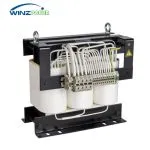
The controller continuously monitors power factor and reactive power demand, then switches the required capacitor steps to match the load. Series detuned reactors are supplied as standard in the compensation branches. A 7% or 14% reactor ratio is selected according to the system harmonic conditions and project requirements. This configuration helps suppress harmonic amplification, reduce resonance risk, protect the capacitors from excessive harmonic stress, and improve long-term operating reliability.
The TSC system is intended for dynamic reactive power compensation and harmonic-resilient capacitor operation. It does not replace an active harmonic filter where active harmonic current cancellation is required.
System Configuration
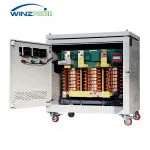
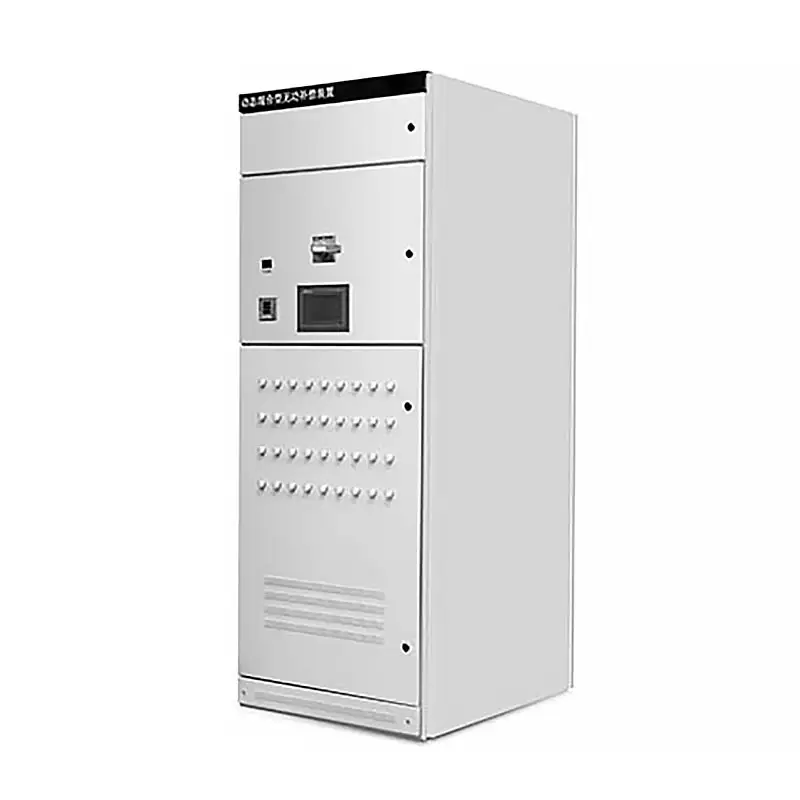
A typical TSC system includes a reactive power controller, thyristor switching modules, capacitor steps, standard series detuned reactors, protective devices, and a cabinet cooling arrangement. The number and capacity of the steps are configured according to the site load profile and compensation target.

Key Features
Fast Thyristor Switching
Contactless switching supports frequent step operation and responds quickly to changing reactive power demand.
Standard 7% / 14% Detuned Reactors
Series detuned reactors are standard rather than optional. The reactor ratio is selected according to the harmonic spectrum and system conditions to suppress harmonic amplification and reduce resonance risk.
Dynamic Power Factor Correction
The controller monitors reactive demand and automatically switches the required capacitor steps to maintain the project power factor target.
Improved Capacitor Protection
Detuned branches reduce harmonic stress on the capacitors, while project-specific protection helps support stable, reliable operation.
Project-Specific Step Configuration
Total compensation capacity, step size, number of steps, cabinet arrangement, and cooling are matched to the electrical system and load profile.
Technical Parameters
| Parameter | Specification |
|---|---|
| Rated Voltage | According to project system voltage |
| Rated Frequency | 50 Hz / 60 Hz, project dependent |
| Compensation Capacity | Customized according to reactive power demand |
| Switching Device | Thyristor switching module |
| Switching Mode | Automatic step switching based on controller logic and reactive demand |
| Compensation Method | Three-phase or mixed compensation, project dependent |
| Reactor Configuration | Standard series detuned reactor in each capacitor branch |
| Reactor Ratio | 7% or 14%, selected according to system harmonic conditions |
| Protection | Configured according to system and project protection requirements |
| Installation | Indoor cabinet; enclosure, arrangement, and cooling are project dependent |
Final ratings and configuration are determined from the site electrical data, load variation, target power factor, and harmonic conditions.
Typical Applications
- Industrial plants with rapidly changing reactive power demand
- Welding equipment, presses, cranes, hoists, and other intermittent loads
- Motor-driven production lines with frequent load variation
- Steel, metallurgy, machinery, and heavy manufacturing facilities
- Power systems requiring dynamic power factor correction with detuned capacitor branches
Selection and Ordering Information
To prepare a suitable TSC configuration, please provide the following project information:
- System voltage
- Transformer capacity
- Load power
- Existing power factor
- Target power factor
- System harmonic condition or available harmonic measurement data
- Required compensation capacity, if already determined
Request a TSC Configuration
Send Winzele your system data and compensation requirements. We will recommend the appropriate capacity, switching steps, 7% or 14% detuned reactor configuration, cabinet arrangement, and protection scheme for your project.
Get a Quick Quote
Contact our sales team for pricing, technical specifications, and delivery information.