


What are the causes of low voltage in the power grid?
For 380V and 400V three-phase power grids, low voltage is generally caused by the following: Excessive power supply radius: Long transmission lines…
Read Article →
Protect your production with reliable voltage stabilization solutions.
Input voltage drops below normal level
PLC, CNC or control systems restart or crash
Motors draw more current and run hotter
Machines stop suddenly or restart frequently
Downtime and low efficiency lead to production loss
Sensitive equipment may be damaged over time
1. Understanding the Problem
Before selecting the right solution, it is important to understand what low voltage is, when it occurs, why it happens in industrial facilities, and how it can impact your production and equipment.
Low voltage occurs when the supplied voltage falls below the normal operating range required by electrical equipment.
Most industrial equipment is designed to operate within a specified voltage tolerance. When the supply voltage drops below this range, equipment performance can become unstable, resulting in production interruptions and increased maintenance costs.
Different systems have different standard voltage ranges.
| Rated Voltage (System) | Normal Operating Range | Low Voltage (Below) | Overvoltage (Above) |
|---|---|---|---|
| 220V | 209V - 231V | < 209V | > 231V |
| 380V | 361V - 399V | < 361V | > 399V |
| 400V | 380V - 420V | < 380V | > 420V |
| 415V | 394V - 436V | < 394V | > 436V |
| 440V | 418V - 462V | < 418V | > 462V |
| 480V | 456V - 504V | < 456V | > 504V |
2. Common Symptoms
Low voltage problems may not always be obvious, but they can cause serious impact on equipment and production.

Equipment may display low-voltage, power abnormality or under-voltage alarms and stop working automatically.
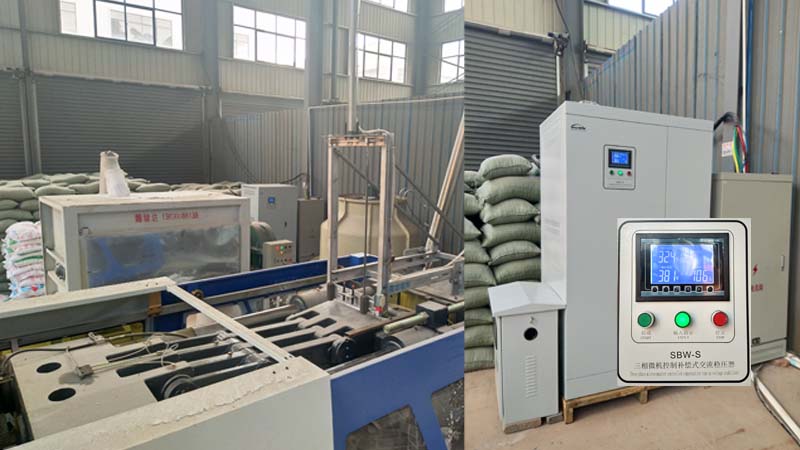

PLC indicators may flicker, control relays may fail, or contactors may drop out under low voltage.
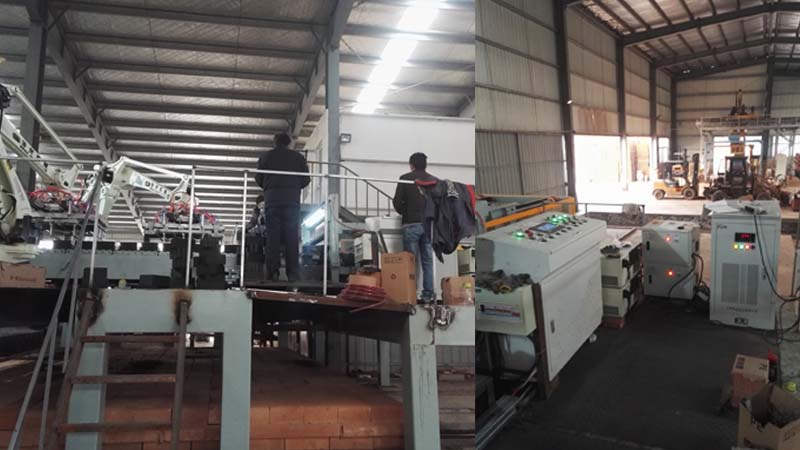

When input voltage is low, motors draw higher current, resulting in excessive heat and protection alarms.
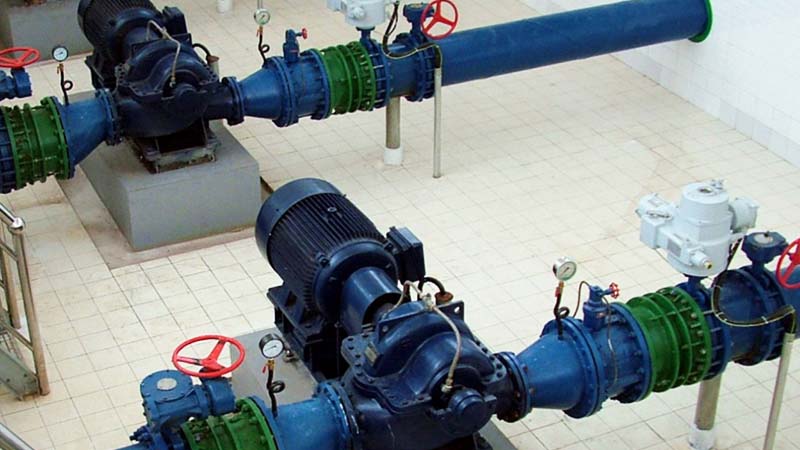

Low voltage during production can trigger VFD, servo drive or controller under-voltage protection.
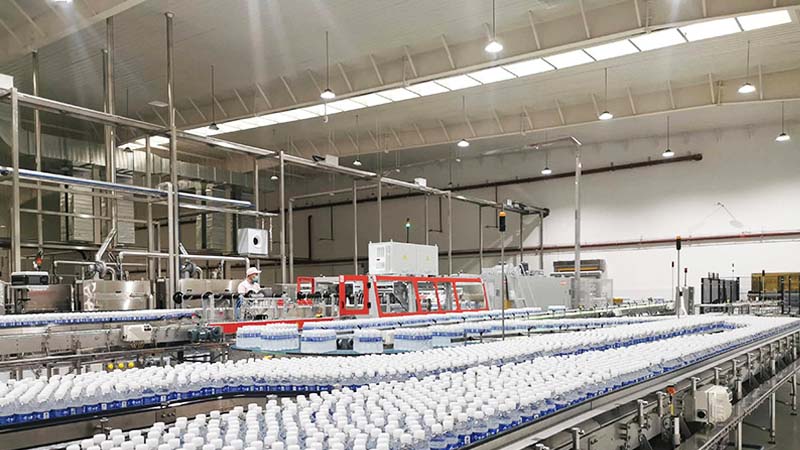

Air compressors may overheat, fail to start or stop below the protection threshold.
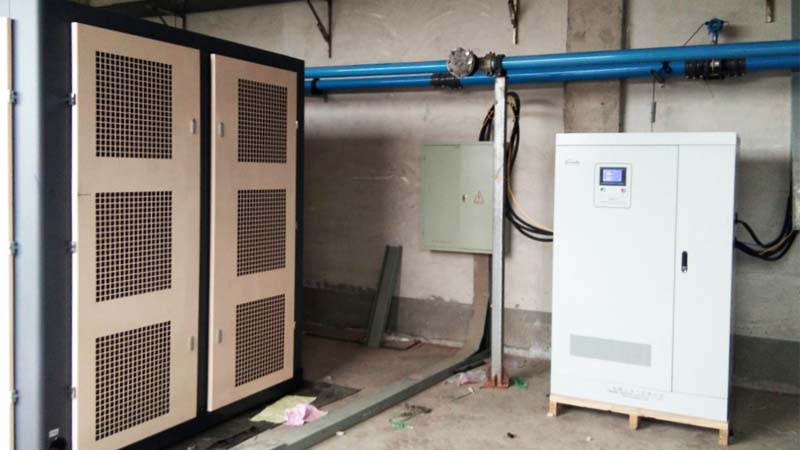

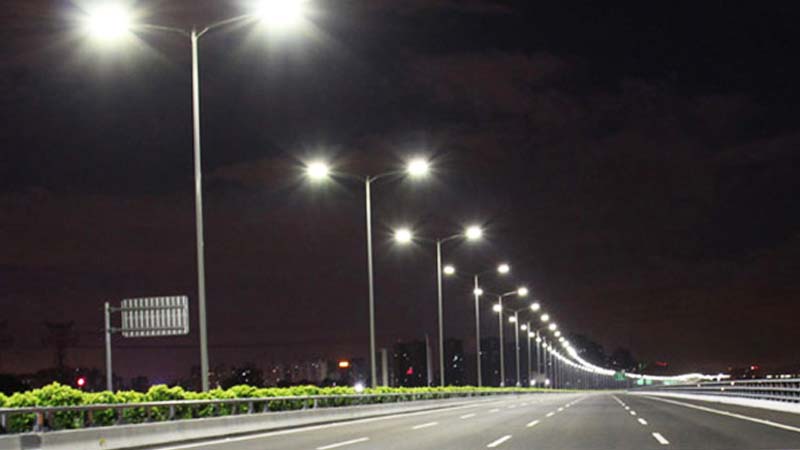
Unstable voltage can affect switching power supplies and cause LED lighting to flicker.
3. Root Causes
Low voltage is rarely caused by a single factor. In most industrial facilities, it results from a combination of power supply conditions, electrical infrastructure and load characteristics.
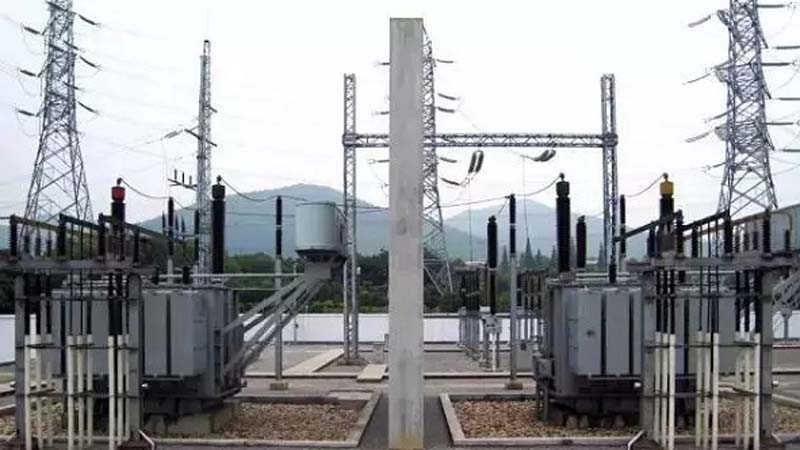
The utility power grid cannot always maintain a stable output voltage. During peak demand periods, voltage may gradually decrease or fluctuate.
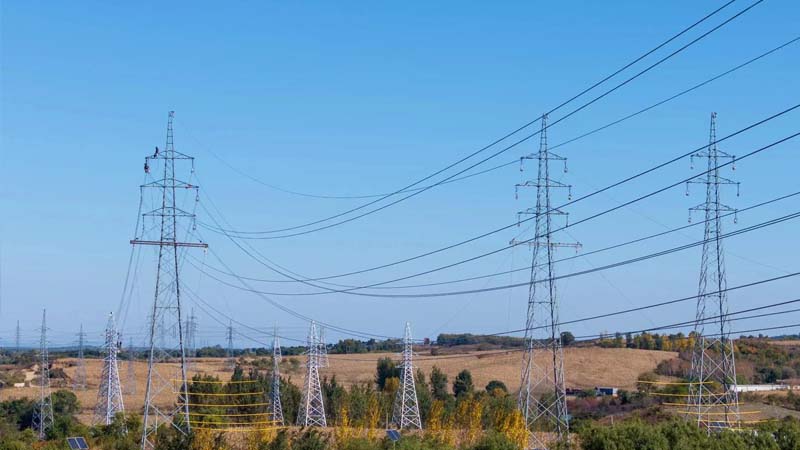
The longer the distance between the transformer and the electrical load, the greater the voltage drop caused by cable impedance.
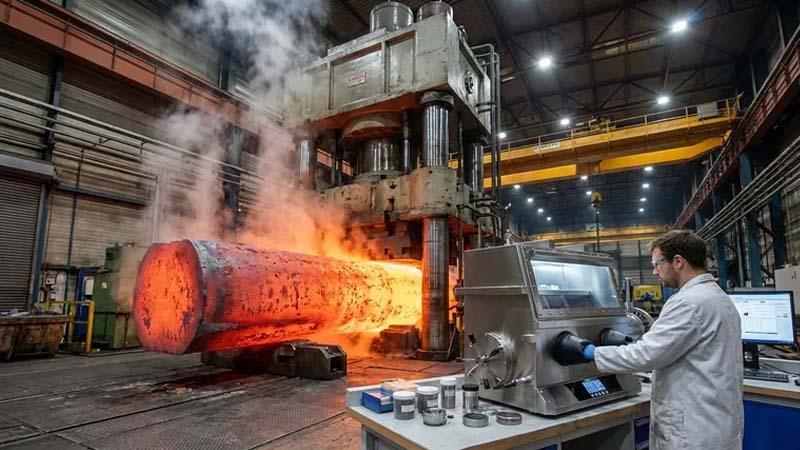
Large inductive loads such as motors, compressors, cranes and pumps draw very high inrush current during startup.
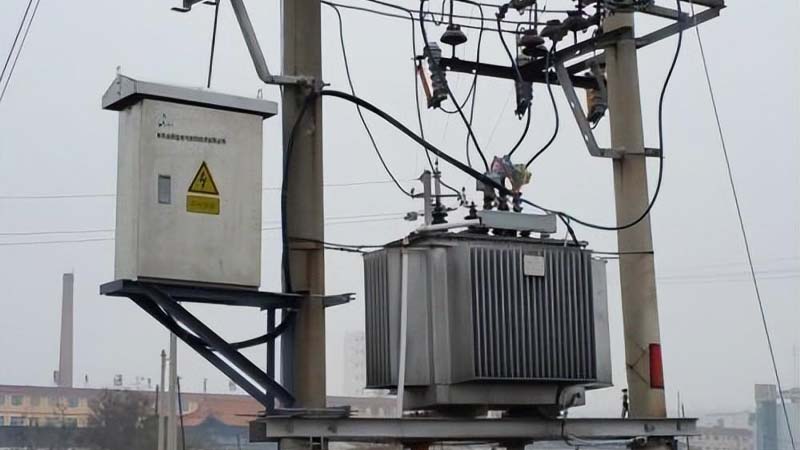
When transformer capacity is smaller than actual demand, secondary voltage drops significantly during peak loads.
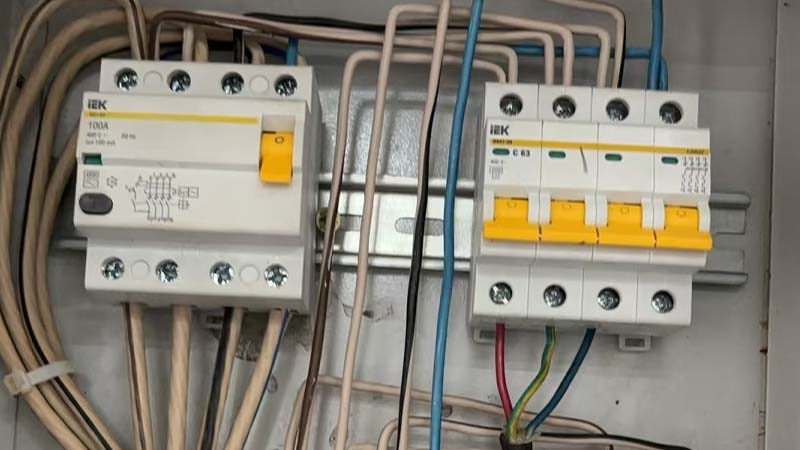
Undersized conductors, excessive cable length, loose terminals or poor cable connections can reduce equipment-side voltage.
4. Business Impact
Low voltage is not just a technical problem. It directly impacts your bottom line.
Low voltage can cause unexpected stops, line shutdowns and process interruptions.
Business ImpactUnstable or low voltage can affect machine precision and process consistency.
Business ImpactLow voltage increases stress on electrical components, causing more failures.
Business ImpactOperating under low voltage shortens the lifespan of motors, drives and critical equipment.
Business ImpactLow voltage forces equipment to draw more current to deliver the same output.
Business Impact5. How Winzele Solves the Problem
Winzele focuses on what truly matters—delivering stable, reliable voltage to your critical equipment. Our solution approach ensures your operations run smoothly, efficiently, and without interruption.
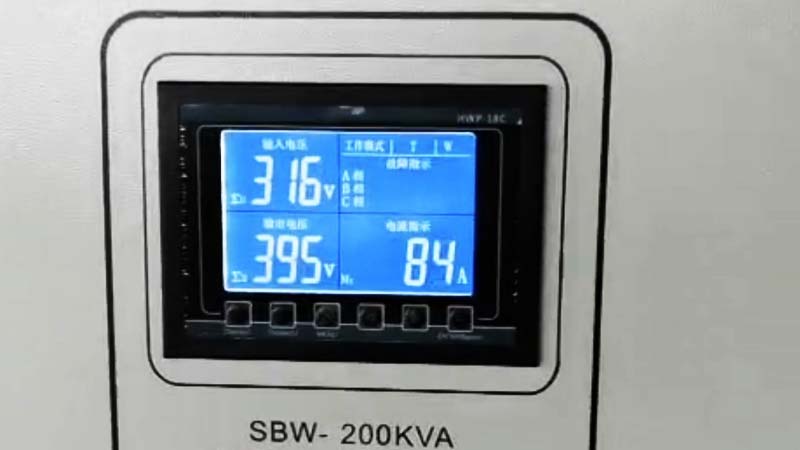
Continuous real-time monitoring of your power system to understand voltage levels, trends, and fluctuations.
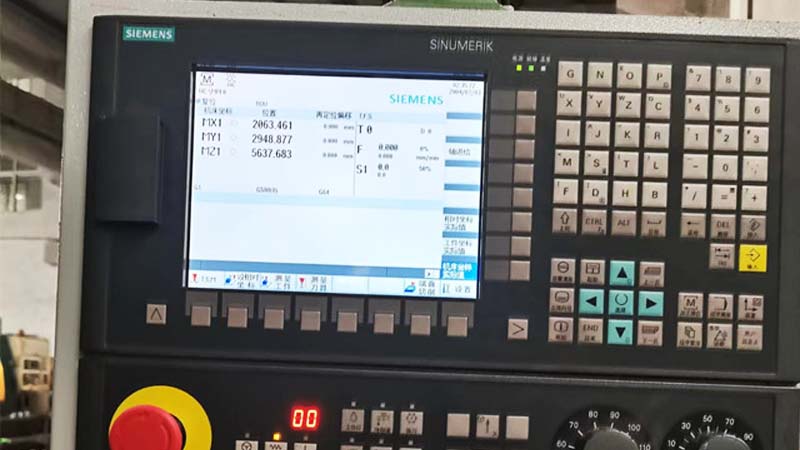
Intelligent algorithms automatically detect voltage sags, swells, and instability the moment they occur.
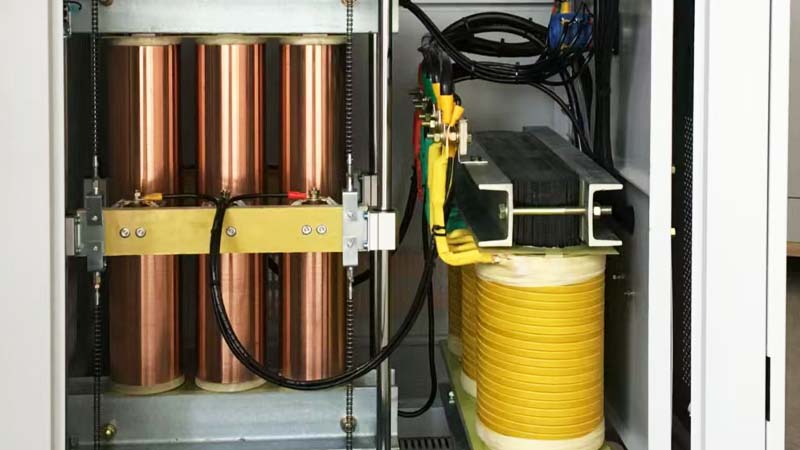
Our solution instantly adjusts and regulates voltage to the optimal level, keeping your equipment running at peak performance.
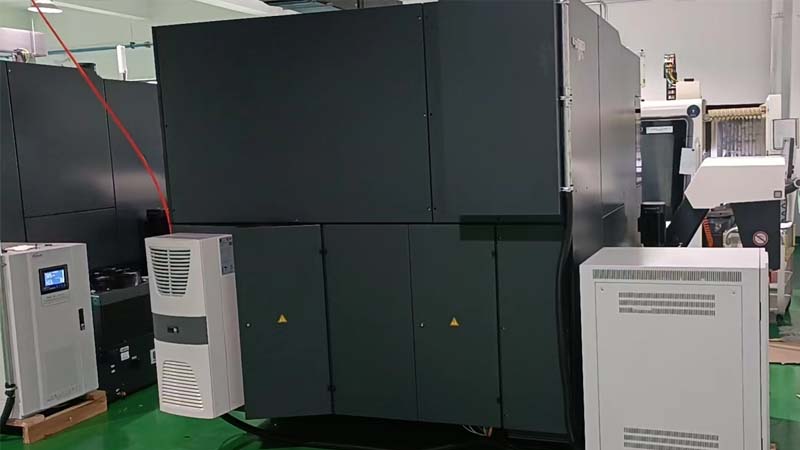
Delivering clean, stable, and reliable power to your equipment - ensuring uninterrupted production and peace of mind.






From monitoring to stabilization, Winzele is your trusted partner for reliable power.
6. Recommended Products
Engineered for performance. Built for reliability. Explore our proven voltage stabilization solutions designed to protect your equipment and support your operations.
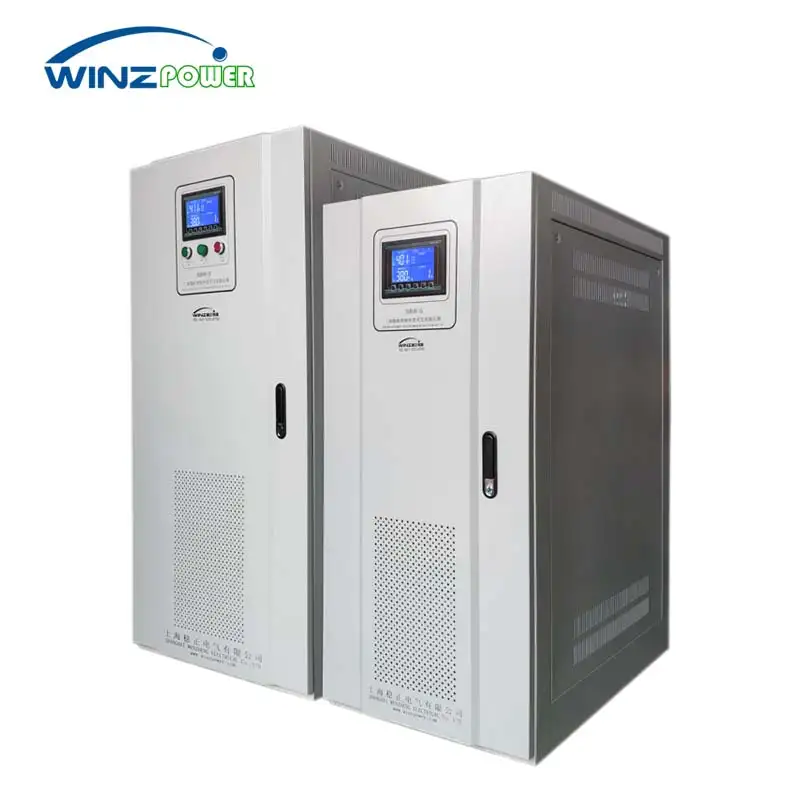
High-precision servo-controlled stabilization for sensitive equipment and harsh power environments.
Learn More →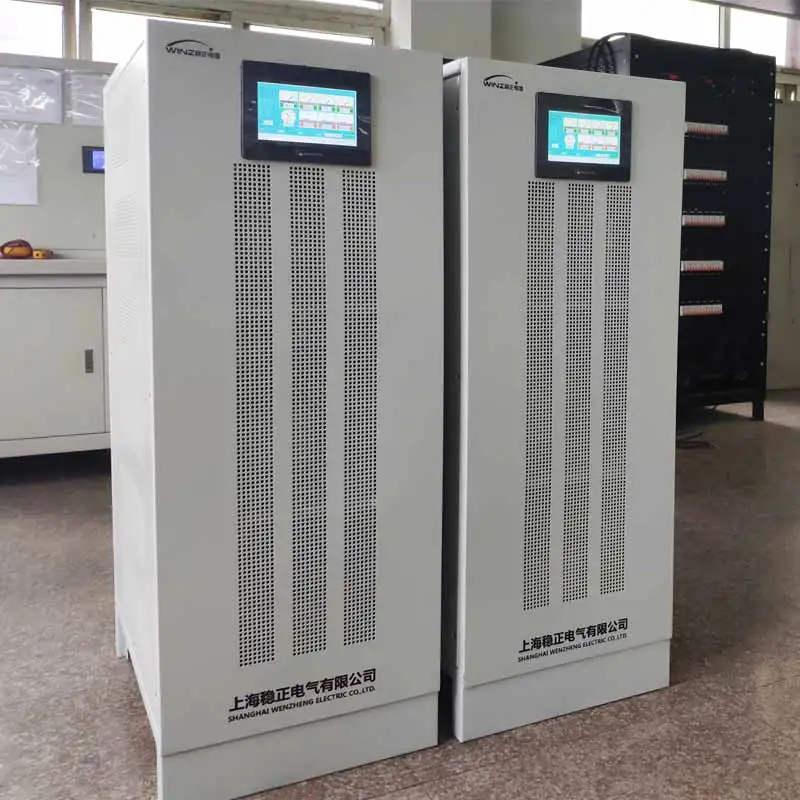
Fast, reliable, and maintenance-free stabilization for industrial and commercial applications.
Learn More →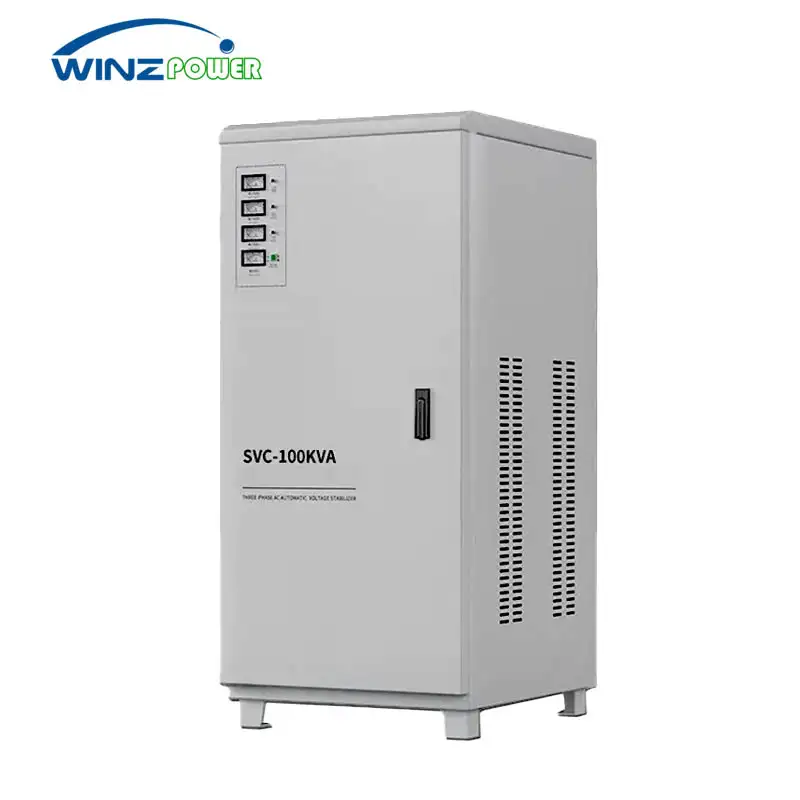
Compact servo-controlled voltage stabilization for low voltage, unstable supply and general equipment protection.
Learn More →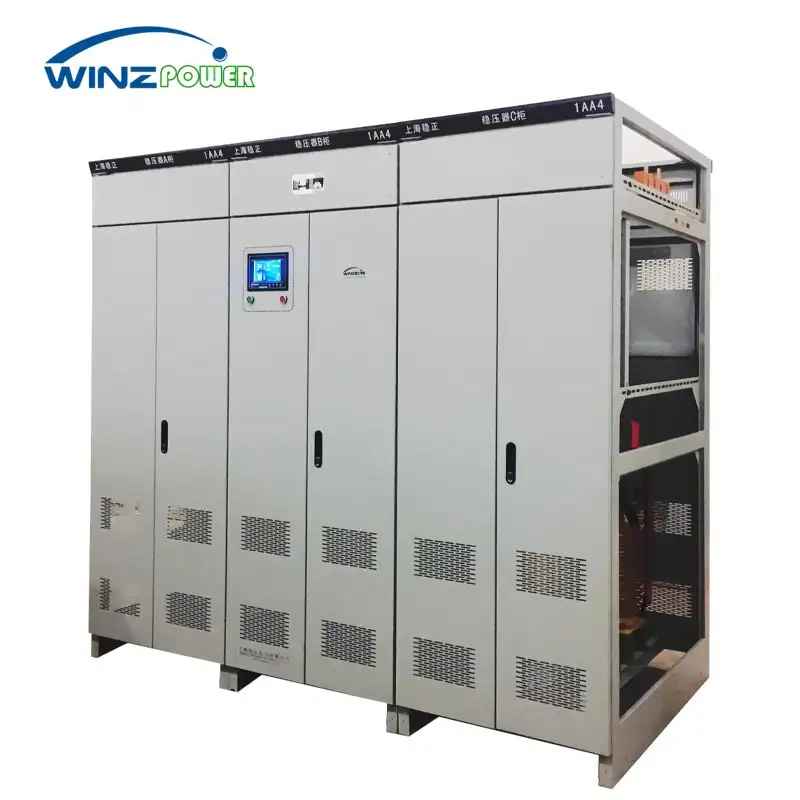
Cost-effective voltage regulation for small to medium loads and general-purpose applications.
Learn More →


Our team is here to help you find the best fit for your application.
7. Installation Results
Illustrative ExampleWinzele voltage stabilization solutions are designed to deliver immediate and measurable improvements in voltage quality, equipment performance, and overall productivity.
Average Voltage
Average Voltage
Winzele delivers results you can see, measure, and rely on.
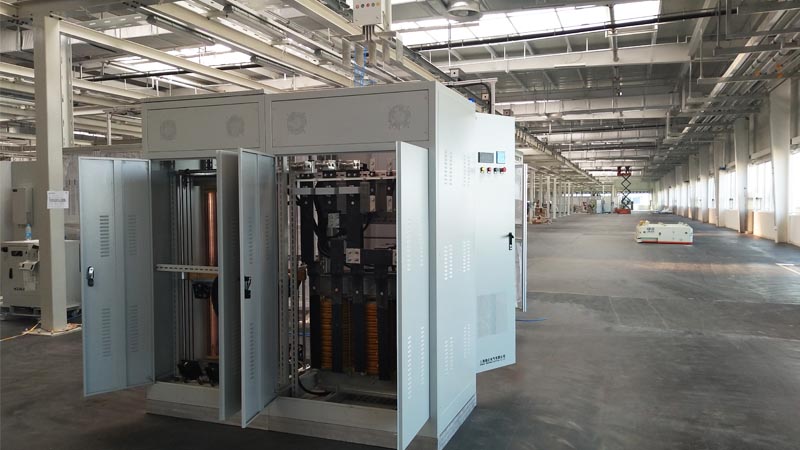
8. REAL PROJECT CASE
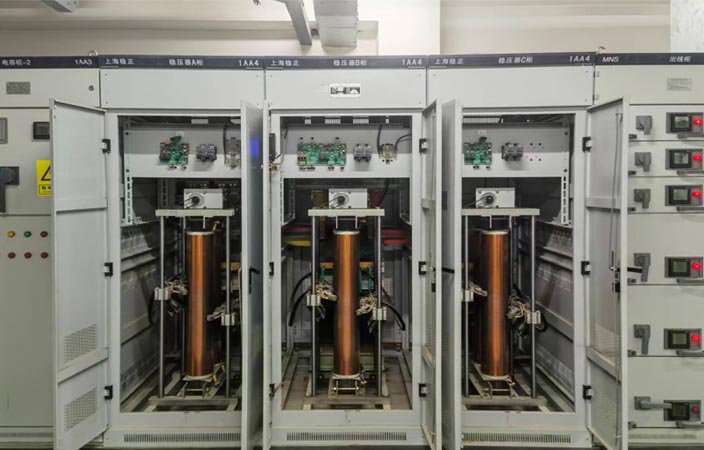
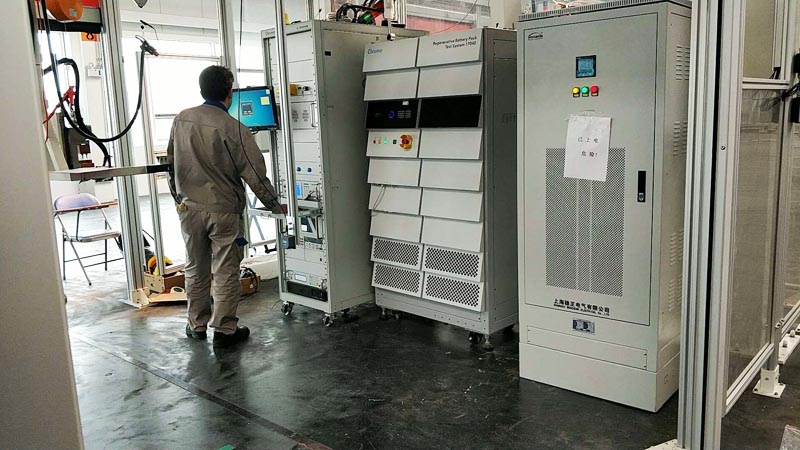
Project ReferenceSelected project references from manufacturing facilities invested by international industrial groups in China.
9. Related Articles
Explore practical articles to understand voltage problems and choose the right stabilization solution.
For 380V and 400V three-phase power grids, low voltage is generally caused by the following: Excessive power supply radius: Long transmission lines…
Read Article →
Power supply description The water pump station is located in the village. The external power supply is supplied by the 10KV overhead…
Read Article →
A Typical Case Study of Voltage Boosting Solutions at the End of a Power Grid Line In large orchards or farms, water…
Read Article →10. Contact Engineers
Quick answers before you submit your stabilizer requirements.
Common causes include long cable distance, undersized cables, overloaded transformers, sudden load changes and weak utility supply.
Low voltage can force motors to draw higher current, creating heat and stress. Long-term operation may shorten motor life.
Yes, if the input voltage is within the correction range and the stabilizer is sized correctly for the load and starting current.
Large motors, compressors, pumps and cranes can draw high starting current and temporarily pull down the supply voltage.
Check load capacity, transformer capacity, cable distance, input voltage range, starting current and equipment sensitivity before selection.
Please include your current input voltage, required voltage, phase, frequency and load capacity. Our engineers will recommend a suitable voltage stabilizer solution.
Fill in the key stabilizer selection parameters below. These details help us recommend the right solution faster.