Voltage Fluctuation
Unstable voltage may cause:
- CNC controller alarms
- Servo drive faults
- Unexpected production downtime

Protect CNC machine tools, machining centers and precision manufacturing equipment from voltage fluctuations and unstable power supply.
Request Machine Tool Power AssessmentModern CNC machines use sensitive CNC controllers, servo drives and automation systems. Voltage fluctuation may cause CNC alarms, servo errors, unexpected shutdown and reduced machining stability.
Unstable voltage may cause:
Low voltage may affect:
Voltage instability may influence:
Voltage stabilization can be configured according to machine type, electrical demand and site supply conditions.
Compare the machine nameplate with the measured CNC power supply before selecting a transformer or CNC machine voltage stabilizer. Machine origin is a useful reference, but the actual model and installation voltage determine the final configuration.
| Region / Machine Type | Typical Machine Voltage | Factory Power Supply | Recommended Solution |
|---|---|---|---|
| Japan CNC Machines | Three Phase 200V | 380V / 400V / 415V | Step-down Transformer + 200V Voltage Stabilizer |
| Korean CNC Machines | Three Phase 220V | 220V or other industrial voltage systems | Three Phase 220V Voltage Stabilizer or transformer solution depending on site voltage |
| European CNC Machines | Three Phase 380V / 400V / 415V | Matching industrial supply | Voltage Stabilizer without voltage conversion |
| Philippines Industrial Applications | Depends on machine and facility | Three Phase 415V and Three Phase 220V systems may both exist | Confirm actual factory voltage before selecting transformer and stabilizer |
A reliable CNC machine power supply starts with the machine nameplate, actual load characteristics and site voltage conditions.
Capacity selection should consider machine rated power, spindle motor load, servo drives, starting current and actual operating condition. Machine kW and stabilizer kVA are not equivalent values.
| Machine Type | Typical Voltage | Typical Capacity Range | Recommended Configuration |
|---|---|---|---|
| CNC Lathe | 200V / 400V | 20-40kVA | Voltage Stabilizer |
| Vertical Machining Center | 200V / 400V | 40-80kVA | Voltage Stabilizer |
| 5-Axis Machining Center | 400V | 50-100kVA | Voltage Stabilizer |
| Large Gantry Machine | 400V | 100kVA+ | Customized Solution |
CNC machines are installed worldwide with different electrical standards. The correct voltage stabilizer configuration depends on the relationship between factory supply voltage and machine rated voltage.
| Machine Type / Origin | Typical Machine Voltage | Factory Condition | Recommended Solution |
|---|---|---|---|
| Japanese CNC | 200V Class | 380V Factory | Voltage Stabilizer + Transformer |
| Korean CNC | 220V Three Phase | 380V Factory | Voltage Stabilizer + Transformer |
| Korean CNC | 220V Three Phase | 220V Factory | Customized Three Phase 220V Voltage Stabilizer |
| European CNC | 380V-415V Three Phase | Matching Factory Supply | Voltage Stabilizer |
| American CNC | 208V / 240V / 480V | Customized | Customized Solution |
Compare factory voltage with the CNC machine nameplate before selecting the solution.
| Factory Supply | Machine Voltage | Required Configuration |
|---|---|---|
| 380V / 400V Three Phase | 400V CNC Machine | Voltage Stabilizer |
| 380V / 400V Three Phase | 200V CNC Machine | Voltage Stabilizer + Step-down Transformer |
| 380V / 400V Three Phase | 220V Three Phase CNC Machine | Voltage Stabilizer + Step-down Transformer |
| 220V Three Phase Factory Supply | 220V CNC Machine | Voltage Stabilizer |
| 415V Three Phase Factory Supply | 415V CNC Machine | Voltage Stabilizer |
Even when the factory supply and machine rated voltage match, voltage fluctuation, unstable industrial power and disturbances from nearby heavy machinery may still affect CNC operation. In this condition, voltage stabilization can be required without voltage conversion.
No transformer required. Factory and machine voltage levels already match.
View 220V StabilizerStart with the CNC machine nameplate, then compare it with the measured factory supply before choosing a stabilizer or transformer.
The correct solution depends on matching machine voltage, factory supply voltage and required capacity.
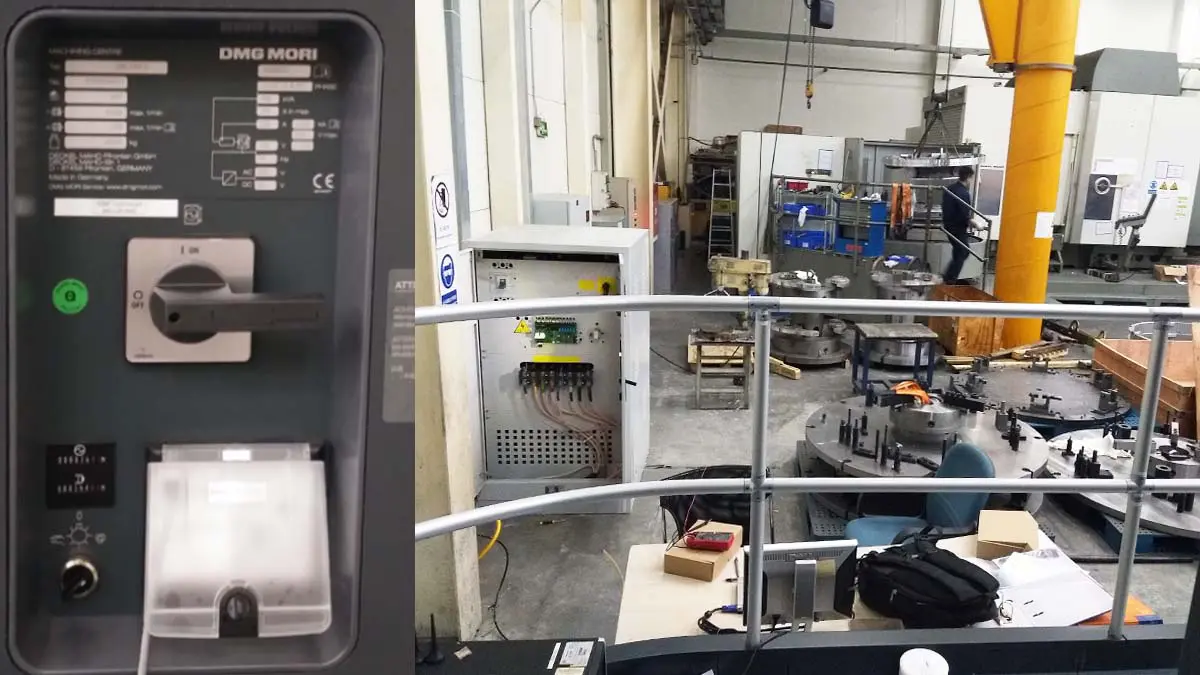
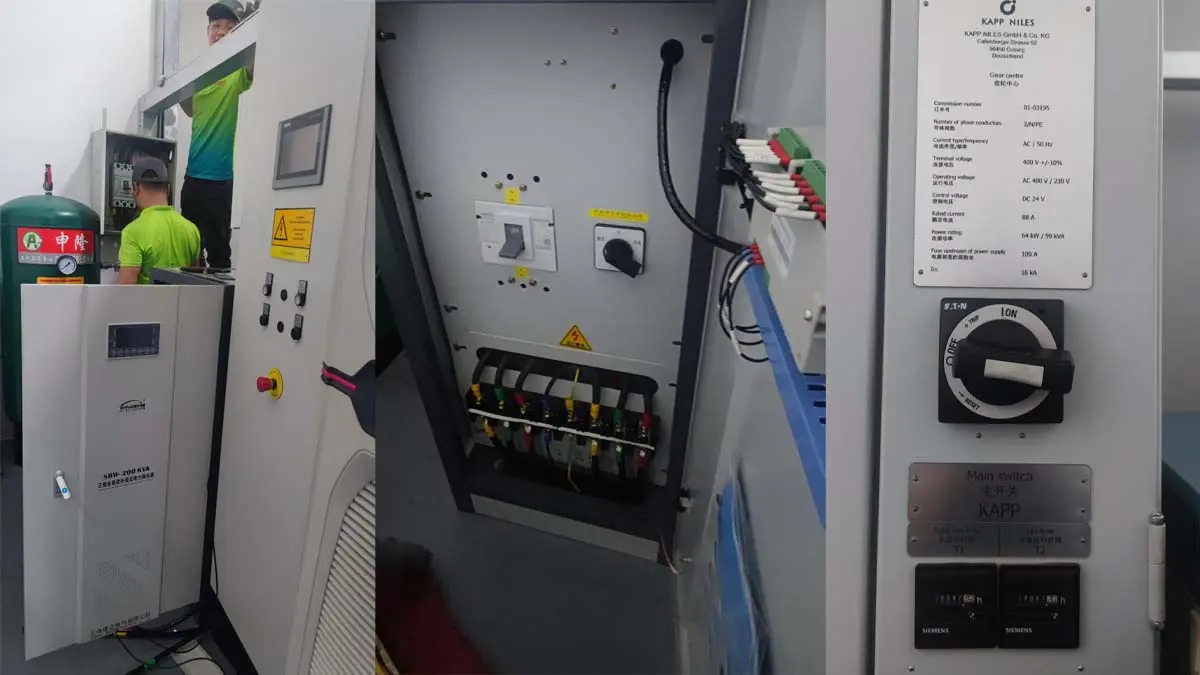
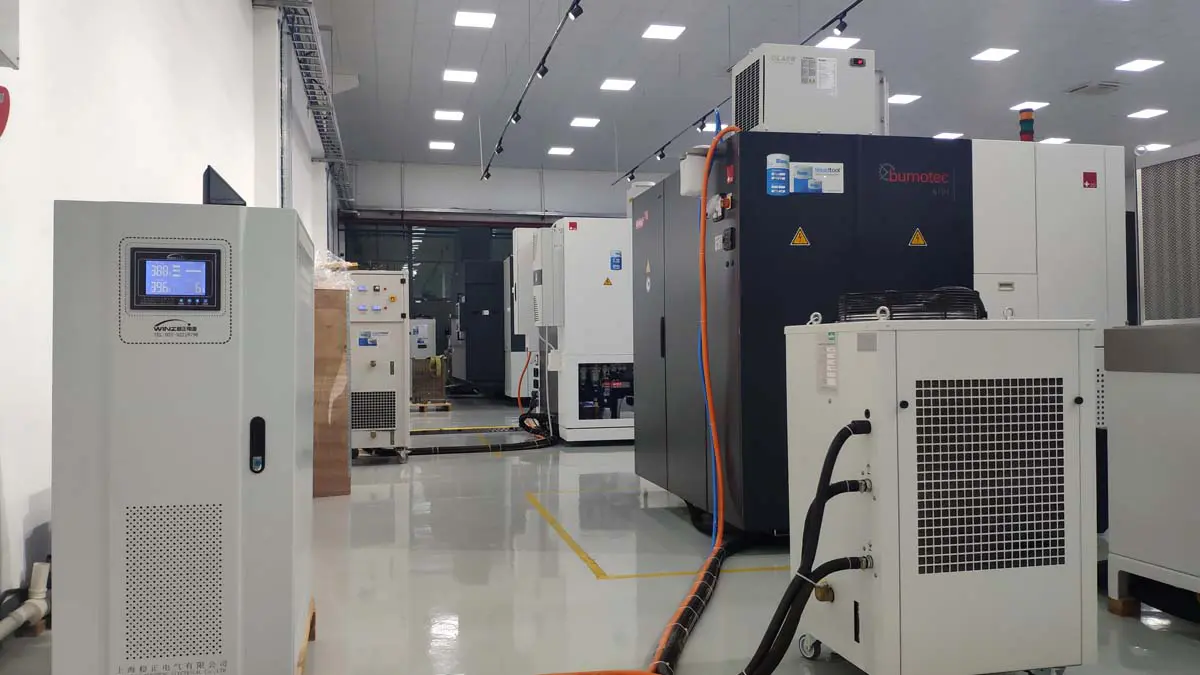
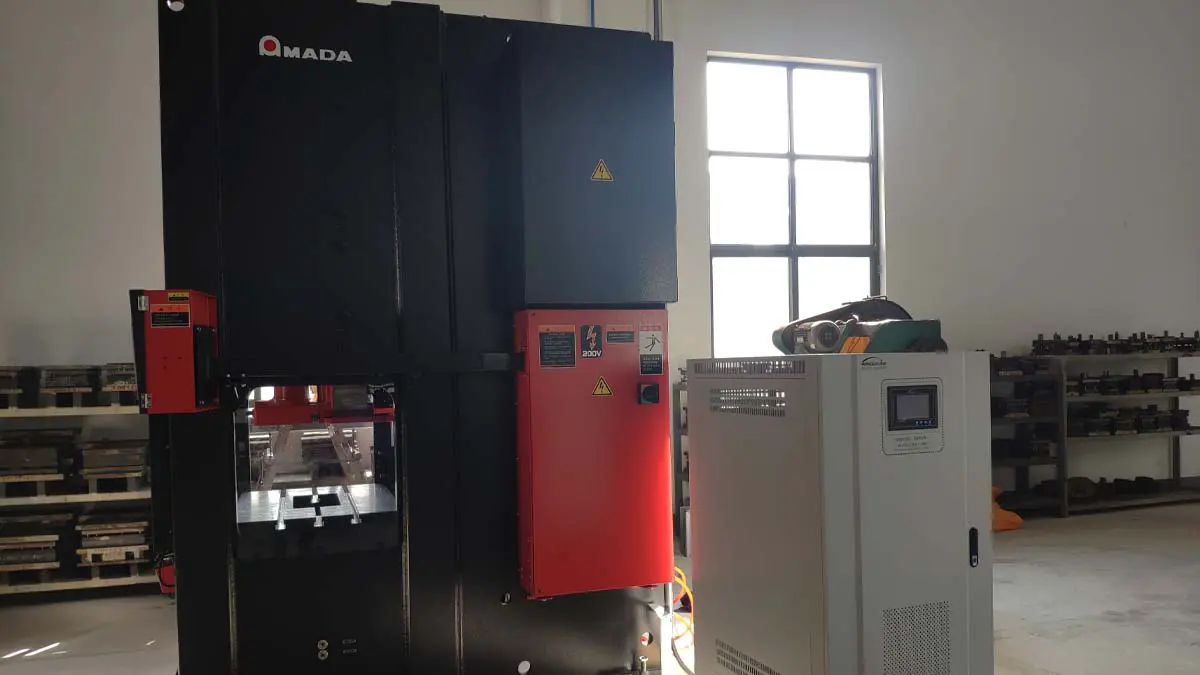
Winzele has delivered voltage stabilization projects for DMG MORI, KAPP NILES, BUMOTEC, AMADA and Salvagnini machine tools, covering precision gear grinding, aerospace machining and Japanese machine tool voltage conversion. Typical applications for CNC machining centers and workshop installations are also provided for reference.
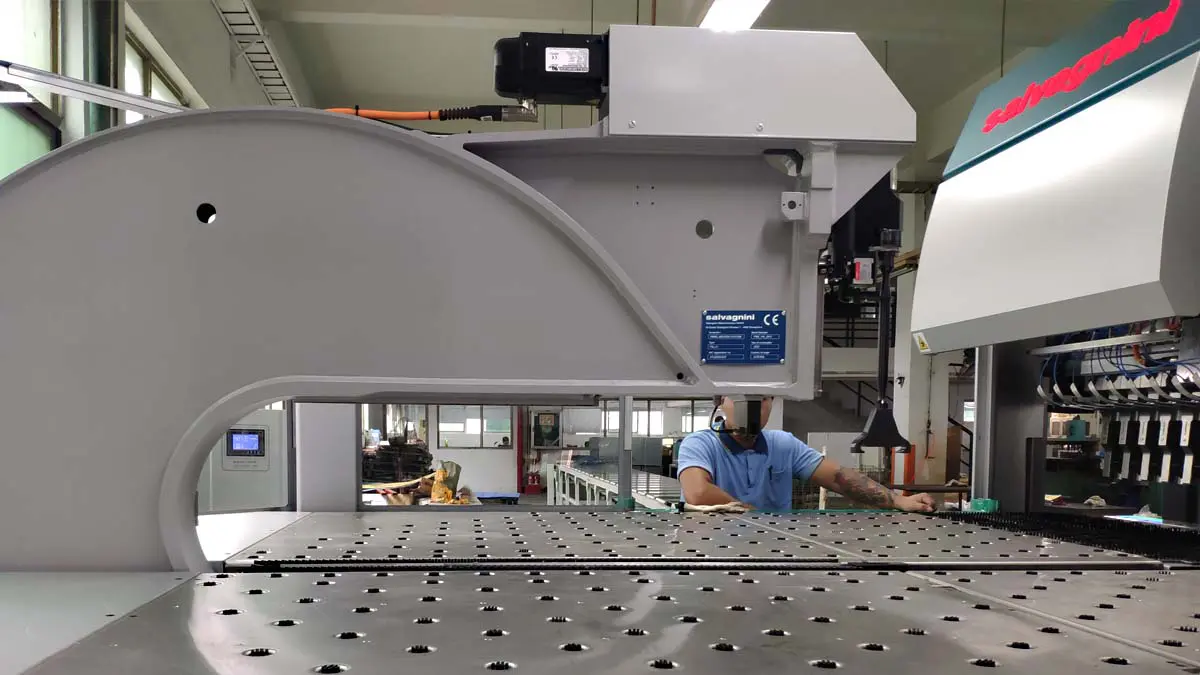
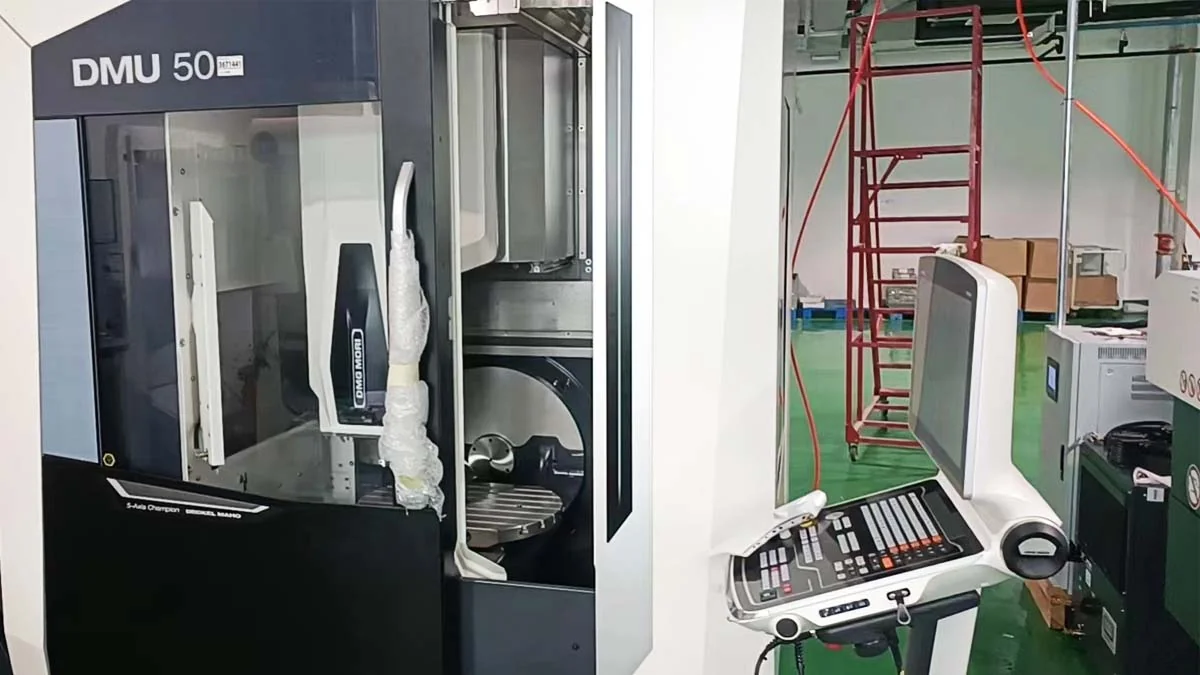
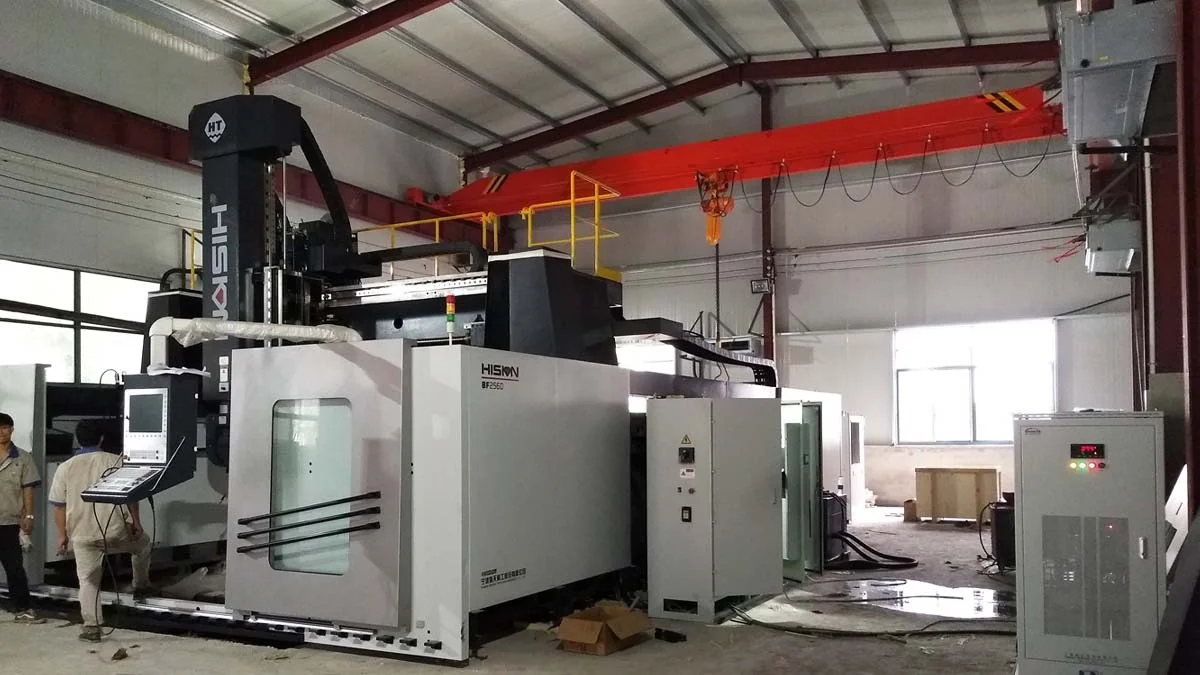
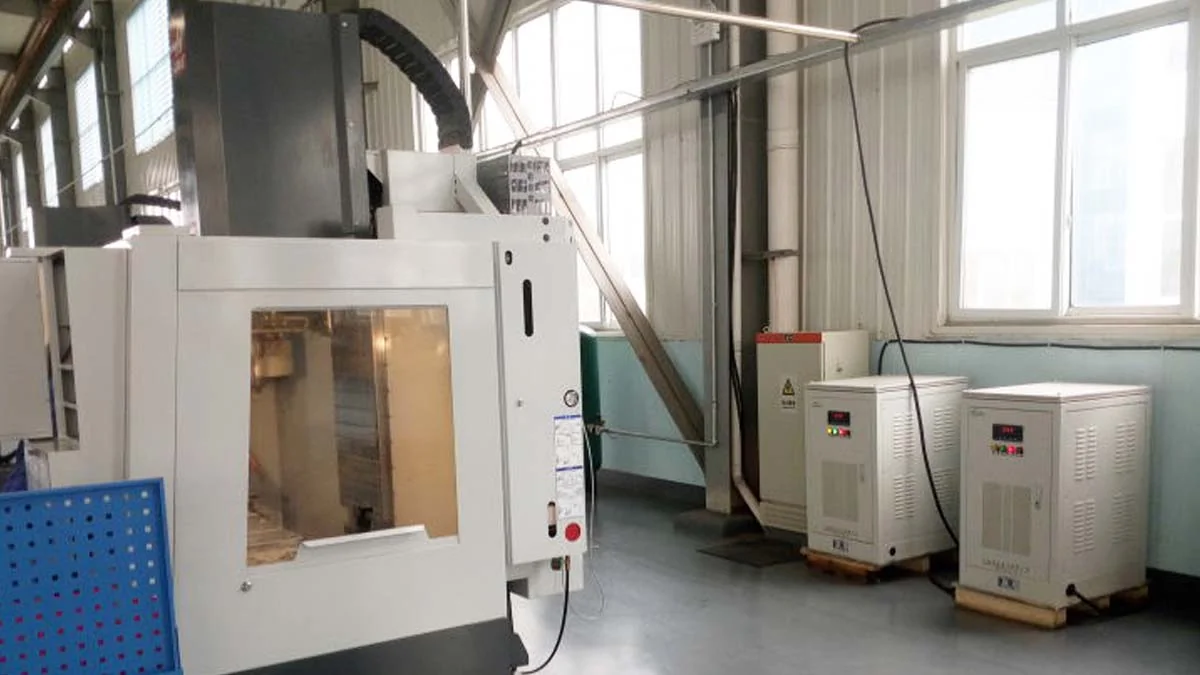
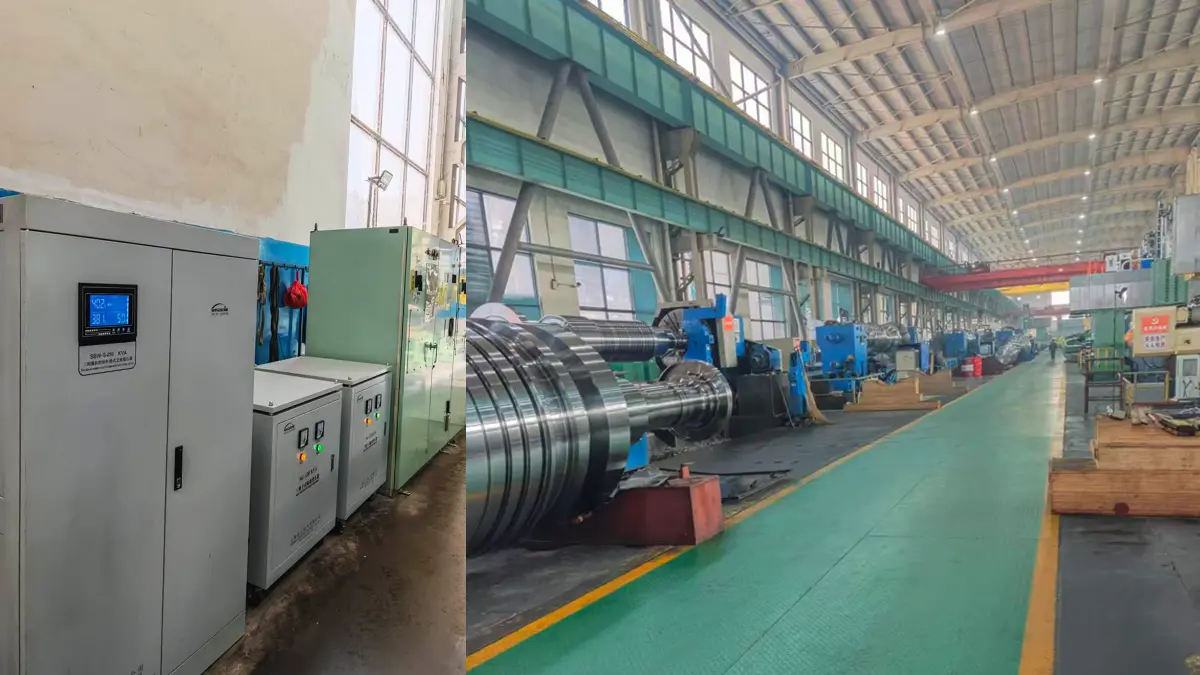
Select the complete CNC voltage stabilizer configuration according to machine voltage, capacity, response requirements and measured site conditions.
| Power Condition | Application | Configuration |
|---|---|---|
| 200V CNC Machine Power Configuration | For Japanese CNC machines installed in 380V factories. | Voltage Stabilizer + Step-down Transformer |
| 380V-415V CNC Machine Power Configuration | For European CNC machines and industrial machining systems. | Voltage Stabilizer |
| Multiple CNC Machine Power System | For workshops with multiple CNC machines. | Centralized Voltage Stabilization System |
Product selection follows the confirmed voltage system and engineering configuration.
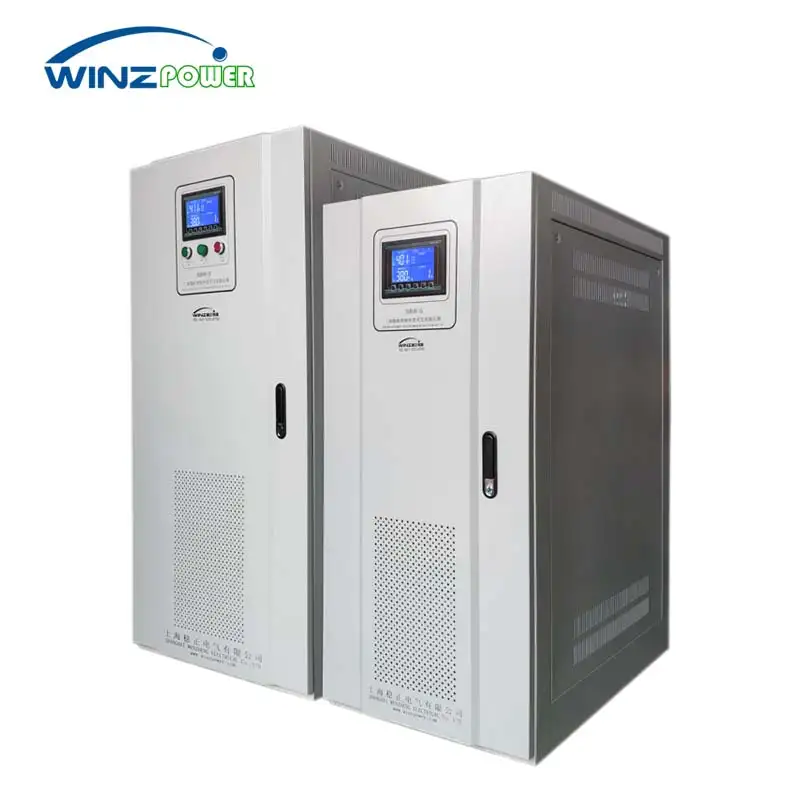
Robust three-phase voltage stabilization for machining centers and larger machine tools.
View Product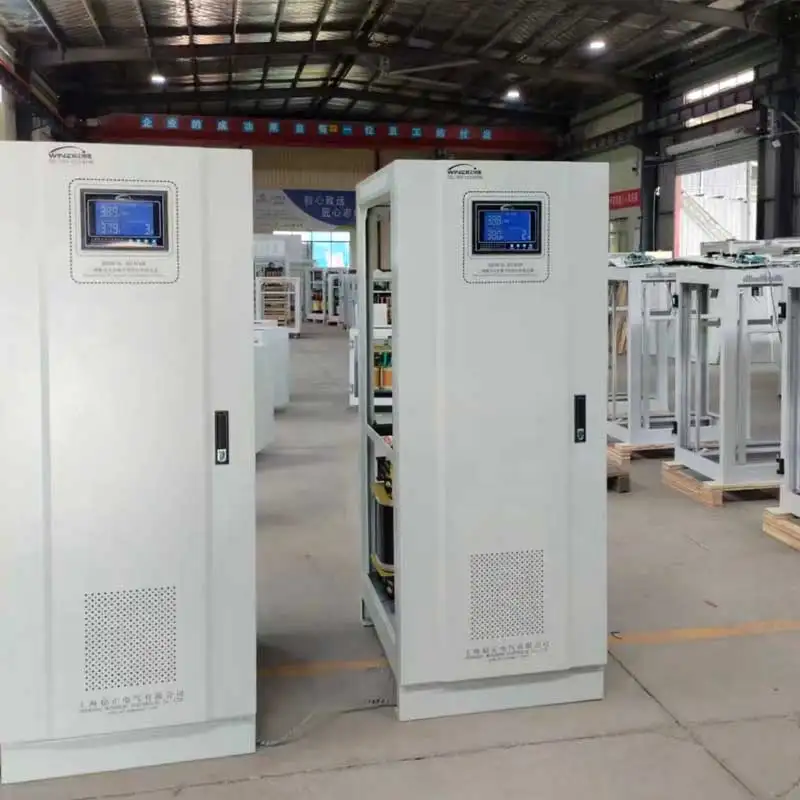
Combined voltage regulation and electrical isolation for suitable precision manufacturing equipment.
View Product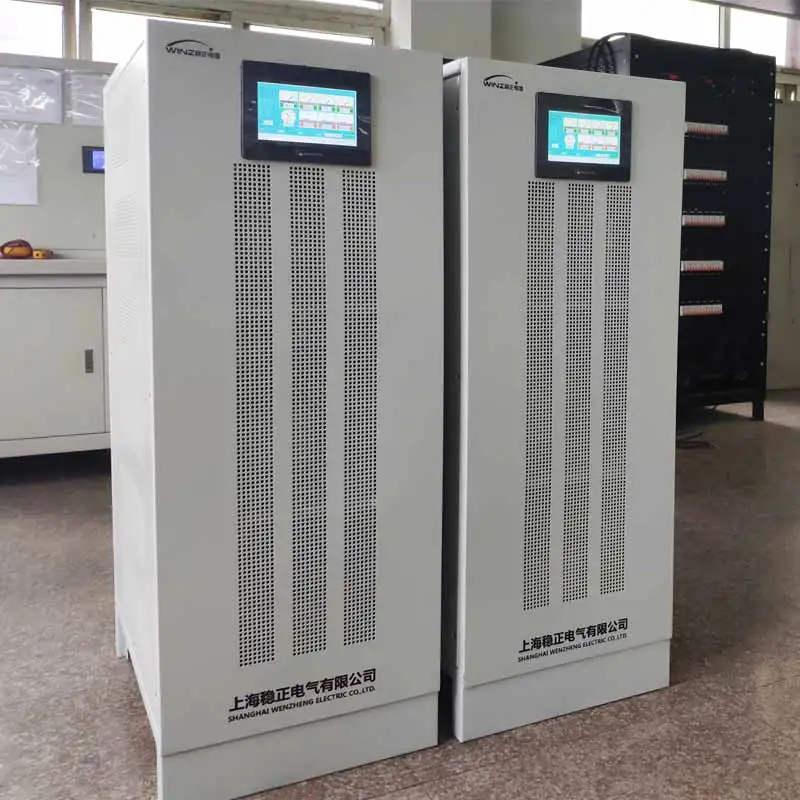
Fast-response, contactless stabilization for sensitive CNC controllers and drive systems.
View Product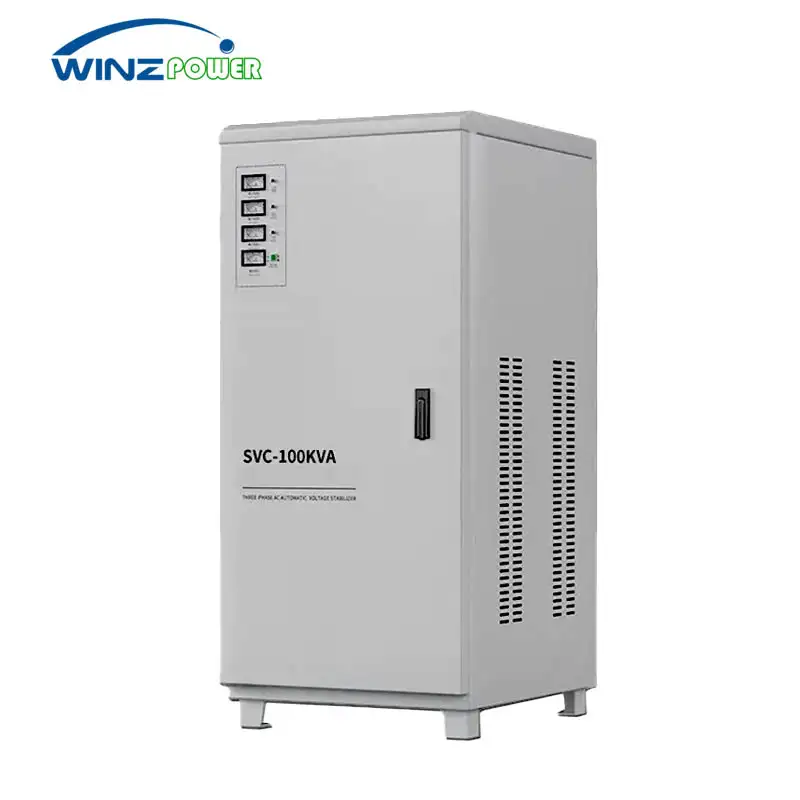
Compact servo-controlled regulation for CNC lathes and individual machine tools.
View ProductA voltage stabilizer is recommended when the incoming supply regularly exceeds the machine manufacturer’s permitted voltage range, suffers sustained low voltage or varies with nearby industrial loads. A site measurement and the machine electrical specification should be reviewed before selection.
CNC machines may use different voltage systems including 200V, 220V, 380V, 400V or 415V depending on manufacturer and installation location. Confirm the machine nameplate before selecting the power configuration.
Yes. The stabilizer and transformer configuration depends on the difference between factory incoming voltage and CNC machine rated voltage.
Confirm the factory voltage, machine nameplate voltage, phase system, machine power and required stabilizer capacity.
The required capacity depends on machine rated power, spindle motor load, servo systems and starting current. Actual operating conditions and future expansion should also be considered.
Japanese 200V CNC machines installed in 380V industrial facilities usually require a step-down transformer together with voltage stabilization. Always confirm the machine nameplate voltage before selecting the configuration.
Yes, but the total load, operating conditions and simultaneous power demand should be evaluated.
Voltage fluctuation, sustained undervoltage, phase imbalance and electrical disturbance can contribute to CNC alarms, servo errors, interrupted cycles and unstable feedback or control operation. Mechanical condition, tooling and process parameters should also be evaluated when diagnosing accuracy problems.
Excessive three-phase imbalance can increase electrical and thermal stress on spindle drives, servo drives, motors and related components. The acceptable limit should follow the equipment specification and applicable electrical standards.
The suitable technology depends on response-time requirements, voltage range, load changes, maintenance preference and site conditions. Static SCR units provide fast contactless regulation, while servo-controlled units are widely used for robust industrial voltage correction.
Need help selecting the right CNC voltage stabilizer? Provide your machine voltage, factory power supply and capacity requirements. Our engineers will recommend the appropriate stabilization or transformer solution.